How Tree Removal Metairie Can Reduce Pest and Insect Problems
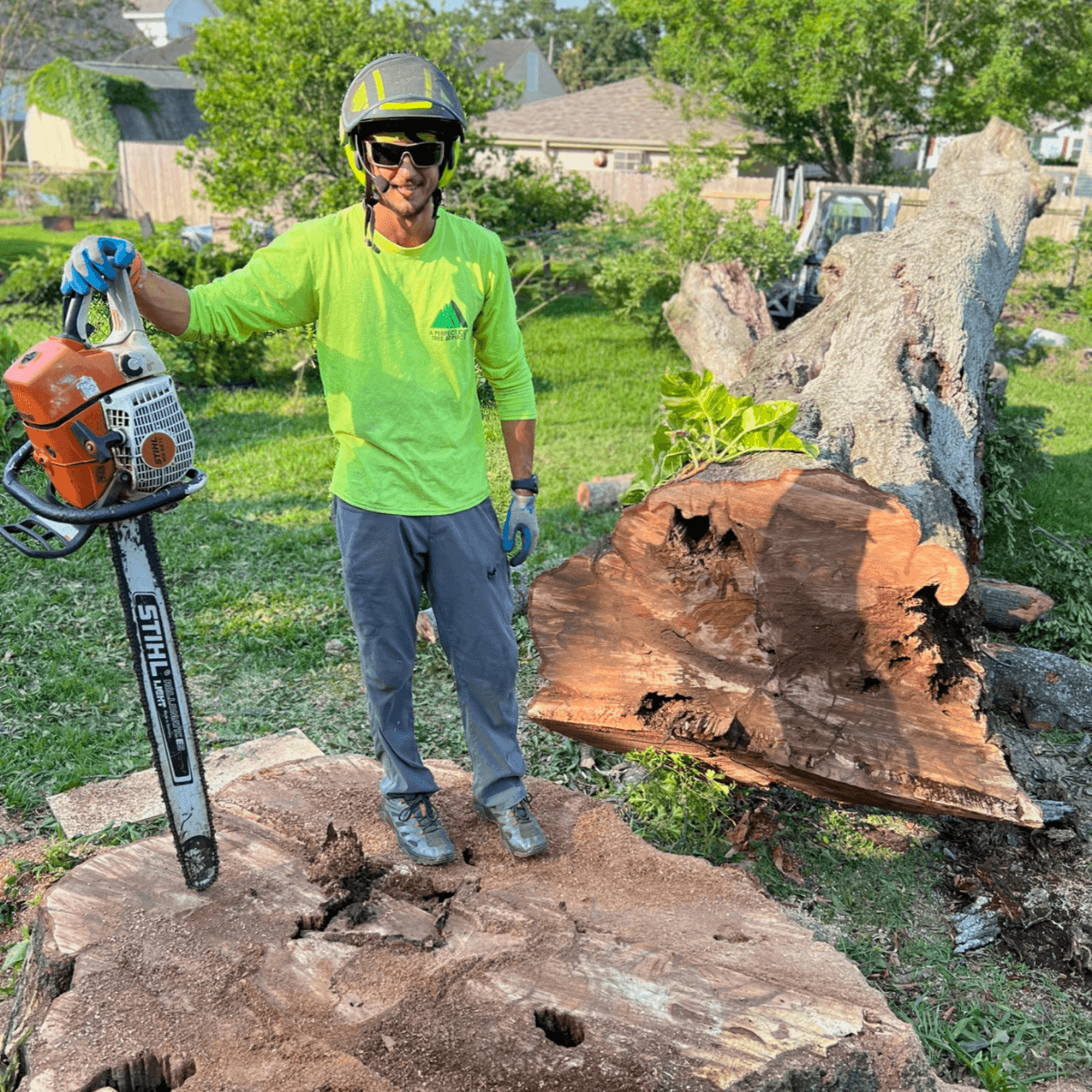
In Metairie, trees do more than frame a yard. They throw shade over patios, soften the look of fences and roofs, and help older neighborhoods feel settled. They also create one of the most common blind spots in property care. When a tree starts declining, splits after a storm, hollows out, or leans too close to the house, most homeowners focus on the visible risk of a falling limb. What often gets missed is the pest pressure that builds around that same tree.
That oversight matters in South Louisiana. Warm temperatures, long growing seasons, heavy moisture, and regular storm damage create ideal conditions for insects and wood-destroying organisms. A stressed or dying tree becomes a food source, a nesting site, a bridge to the structure, or all three at once. In many cases, timely tree removal Metairie homeowners arrange is not just about safety or curb appeal. It is a direct way to reduce the conditions that allow pests to settle in and spread.
The key word there is conditions. Removing a problematic tree does not magically eliminate every insect on a property. Mosquitoes will still breed where water stands. Roaches will still seek food and damp hiding places. But certain trees, especially damaged, decaying, or badly placed ones, can make a pest issue much harder to control. Once you understand how those relationships work, tree removal becomes a more strategic decision and not just a reaction after a branch comes down.
Why unhealthy trees attract trouble
A healthy tree has natural defenses. It pushes sap, compartmentalizes wounds, resists some boring insects, and dries out faster after rain. A declining tree loses that edge. Cracks stay wet longer. Loose bark creates sheltered pockets. Fungi move in. Internal decay softens wood. Insects that ignore healthy tissue start targeting weakened areas.
That sequence plays out all the time after a rough storm season. A live oak may lose a large limb and look mostly intact from the street. Six months later, water has entered the wound, decay has started, and carpenter ants are nesting in softened wood. A crepe myrtle with old pruning damage can hold moisture in the trunk crotches. Palms with neglected dead fronds can shelter rodents and insects close to the house. The tree itself may not be the only source of the pest issue, but it becomes one of the strongest anchors for it.
Wood-destroying insects are especially important here. Termites do not need a dead tree to exist on a property, but decaying wood and moist contact points make life easier for them. Formosan subterranean termites, which are a serious concern across the greater New Orleans area, can exploit damp wood and hidden cavities. They primarily move through soil and shelter tubes, yet a dead or rotting tree stump can support colonies or satellite activity near the home. That proximity matters. The shorter the path to structural wood, the lower the barrier.
Carpenter ants behave differently. They do not eat wood for nutrition the way termites do, but they excavate galleries in damp or decayed wood. A compromised tree near the house can support a mature colony for a long time. From there, ants may forage indoors or expand into fascia, soffits, or wall voids if moisture issues exist in the structure.
Beetles, borers, and wood wasps add another layer. Some species target stressed hardwoods. Others breed in storm-damaged limbs left on the ground too long. Even if those insects are not direct house pests, they are signs that a tree has become biologically unstable. That instability tends to attract secondary problems, including fungi, ants, and scavenging insects.
The tree-to-house pathway is often the real problem
A tree does not need to be rotten to contribute to infestations. Sometimes the issue is access. Branches that overhang a roof or press against siding create a literal bridge for insects and small animals. Ants use that route all the time. Rodents do too. If branches shade the roof heavily and keep it damp, they can also encourage algae, moss, and moisture retention around flashing and vents, which creates better conditions for insects that favor damp spaces.
This is one reason experienced arborists and pest professionals often look at the whole property rather than a single symptom. A homeowner may call because ants keep appearing in an upstairs bathroom. The bait works for a while, then the ants return. On inspection, the trail leads to a branch rubbing the roofline. The colony may be in a nearby tree cavity, not inside the house at all. Remove the access route and, if needed, remove the failing tree that hosts the nest, and the recurring issue often subsides.
I have seen a similar pattern with rats and squirrels in older neighborhoods. The entry point appears to be a soffit gap or a roof vent, but the reason the animals reached it so easily is a dense canopy touching the house. Once that canopy is pruned back or the declining tree is removed altogether, exclusion work on the structure becomes far more effective.
That is the practical side of tree removal Metairie property owners should keep in mind. It is not just the tree in isolation. It is the way the tree changes air flow, moisture, light, and access around the building envelope.
Stumps and fallen wood can keep a pest problem alive
Sometimes the tree is already gone, at least above ground. After emergency storm work, a trunk may be cut down while the stump and root flare remain. Homeowners often assume the main problem is solved. Not always.
A fresh stump begins decomposing from the moment it is cut. In dry climates that process may be slow. In Metairie, with regular humidity and warm soils, decomposition can move quickly enough to support insect activity sooner than many people expect. Termites, ants, beetles, and fungi all benefit from that environment. If the stump sits near the house, foundation plantings, fence lines, or utility penetrations, it can serve as a reservoir for continued activity.
The same applies to stacked firewood, storm debris, and large limbs left in the yard for weeks. One of the most common mistakes after a storm is leaving wood piled against the house because cleanup crews are delayed. That delay is understandable, but the wood should be moved away from the structure as soon as possible. Damp wood in contact with soil is an engraved invitation to termites and other pests.
Stump grinding is not always mandatory, but it often makes sense when the goal is reducing insect harborage near a structure. Grinding removes much of the material insects would use and allows the site to dry and settle more cleanly. It also makes monitoring easier. You can see the ground surface, inspect the foundation line, and maintain the area without fighting around a decaying stump.
Humidity changes everything in South Louisiana
Advice that works in drier parts of the country can fall short in Metairie. A tree with minor internal decay in a low-humidity climate might remain relatively stable for years without becoming a major pest hub. In a humid Gulf Coast environment, that same tree can stay wet longer after rainfall, support fungal growth, and deteriorate at a much faster pace.
Moisture is the common thread in most of these cases. It affects insect survival, fungal colonization, wood strength, and nesting behavior. A dense, overgrown tree canopy can trap humidity against the home, reduce sun exposure, and slow drying at the soil surface. That favors not only wood pests but also mosquitoes if the property has poor drainage or leaf-clogged areas holding water.
Tree hollows are another overlooked source. Cavities collect rainwater, organic matter, and decaying debris. Mosquitoes do not need a pond. Some species can breed in surprisingly small volumes of stagnant water. If a tree cavity repeatedly holds water close to patios, doors, or play areas, it can contribute to a local mosquito problem. Removal is not the first answer in every case, since some cavities can be managed depending on the tree’s condition and location, but it should be part of the discussion when the tree is already in decline.
Signs a tree may be feeding a pest issue
Not every suspicious tree needs to come down. Good arborists are careful about that distinction. The goal is targeted removal of trees that are unhealthy, unsafe, or directly contributing to pest pressure. There are some patterns that deserve closer attention:
- The trunk has visible decay, soft spots, peeling bark, or fungal growth near the base.
- Ant activity is concentrated around cavities, pruning wounds, or root flare areas.
- Branches touch the roof, siding, chimney, or upper-story windows.
- The tree stands very close to the home and shades the structure heavily, keeping surfaces damp.
- A cut stump or fallen wood remains near the house and shows insect activity.
Those signs tree removal metairie do not prove that removal is the only option, but they justify a serious inspection. A certified arborist can assess structural health. A pest control professional can determine whether termites, carpenter ants, or other insects are using the tree as a primary resource. The strongest plans often come from looking at both sides together.
When pruning is enough, and when removal makes more sense
Pruning solves many problems, especially when the tree is healthy overall. If the main issue is branch contact with the roof or poor air circulation around the house, selective pruning may reduce access and dry out the area. Crown thinning can allow more light and air movement. Raising the canopy can remove low, damp shelter over mulch beds and foundation plantings. Deadwood removal can cut down on decaying material before insects move in.
Removal becomes the better choice when the defects are in the trunk, root zone, or major scaffold limbs, or when the tree’s position makes recurrent problems likely. A hollow trunk ten feet from the house is not the same as a healthy tree with one overextended limb. Likewise, a tree that has required repeated corrective pruning after storms may continue creating pest and safety problems long after the first repair.
There is also a cost judgment to make. Homeowners sometimes spend money year after year on pest treatments without addressing the host condition. If a tree continues to shed damaged wood, trap moisture against the house, or support ant activity, repeated chemical control may only blunt the symptoms. In those cases, removal can be the more economical long-term move, even if the upfront cost is higher.
I have seen this with carpenter ant complaints around detached garages. The owner treats the perimeter every spring, yet ants keep appearing in the wall framing. The source turns out to be a heavily decayed shade tree two feet from the slab, with limbs dragging over the roof. Once the tree is removed and the damaged trim is repaired, the recurring ant problem often drops off sharply. Not every case ends that neatly, but the pattern is common.
Tree removal works best as part of a broader pest strategy
Removing one problematic tree can reduce pest pressure dramatically, but the results are better when the rest of the property supports the same goal. Think of it as environmental correction. You are not only removing habitat, you are making the site less comfortable for reinfestation.
A few supporting steps go a long way:
- Grind stumps or remove decaying wood near the house whenever practical.
- Keep mulch shallow and avoid piling it against siding or foundation walls.
- Trim remaining branches back from the roofline and maintain airflow.
- Fix drainage problems that keep soil and planting beds wet.
- Store firewood off the ground and away from the structure.
Each of those steps reduces moisture, shelter, or direct access. Combined with responsible tree removal Metairie residents can turn a chronic pest property into a manageable one.
Timing matters more than many homeowners think
There is never a perfect time tree removal metairie to remove a hazardous or severely decayed tree, but timing can influence how much pest reduction you get from the work. If a tree is already hosting ants, termites, or beetles, waiting through another hot, wet season gives those populations more time to expand. After major storms, damaged trees should be inspected promptly because storm wounds often become infestation points.
That said, emergency removal is not always necessary for every declining tree. If the pest issue is moderate and the tree is structurally stable for the moment, you may have time to coordinate arborist and pest inspections, obtain permits if needed, and plan replacement landscaping. The right decision balances urgency, budget, and the level of risk to the home.
Replacement is worth mentioning because tree removal should not leave a yard barren. In many cases, a better-placed, better-suited tree can restore shade and appearance without recreating the same pest issues. The lesson is not that trees are bad. It is that unhealthy or poorly placed trees create avoidable pressure.
What a professional assessment should cover
A useful site assessment goes beyond, “yes, that tree is dead.” It should look at the tree’s health, species, defect history, distance from the structure, evidence of insect activity, and the way the canopy interacts with the house. Root conditions matter too. Surface roots lifting hardscape can trap moisture and create cracks where water collects. Soil grade against the trunk can contribute to decay. Nearby fences, sheds, and landscape timbers may also be part of the pest picture.
A strong arborist will usually explain whether pruning, removal, or monitoring is most appropriate and why. A strong pest professional will explain whether the insects are merely present in the environment or actively exploiting the tree as a nesting or feeding site. When both perspectives line up, homeowners can make better decisions and avoid spending money in the wrong place.
This is especially important with termites. Finding termites near a stump or dead tree does not automatically mean the house is infested. It does mean the property has active conducive conditions. That distinction matters. Panic leads people to oversimplify. Good professionals separate immediate structural risk from background pest pressure and treat both with the appropriate level of response.
The value of acting before visible infestation
The hardest part for many property owners is taking action before the problem feels dramatic. A tree may still leaf out. It may still cast welcome shade. The ants may only appear now and then. But pest management is often about interrupting the setup phase, not waiting for full-blown damage.
Once decay advances and insects establish stable nesting sites, options narrow. Removal becomes more urgent, repairs become more expensive, and surrounding structures may need treatment or monitoring. Acting earlier, when the tree first shows decline or starts interfering with the building envelope, usually means cleaner work, lower secondary damage, and better control over timing.
For Metairie homeowners, that proactive mindset pays off. The climate is too favorable to pests to ignore warning signs for long. A dead limb over the roof is a safety issue. A hollow, damp trunk near the slab is a pest issue. Branches grinding against shingles are an access issue. They often occur together, and when they do, removal is not just a tree decision. It is a property protection decision.
Healthy trees remain one of the best assets a yard can have. They cool homes, add value, and improve outdoor comfort. The problem starts when a tree shifts from asset to liability and keeps feeding the insects you are trying to keep out. Knowing when that shift has happened is where experience counts, and in many cases, well-timed tree removal Metairie homeowners invest in can cut down on recurring pest pressure more effectively than repeated treatments alone.
A Perfect Cut Tree Service
4725 Shores Dr, Metairie, LA 70006
+1 504-732-0779
FAQ About tree removal metairie
What is the average cost of tree removal in my area?
There is no single price that fits every tree. Size, condition, access, nearby structures, equipment, debris hauling and stump work affect the estimate. Request a written, site-specific quote that identifies what is included.
Who will remove trees for free?
Free removal is not generally available for ordinary private-property tree work. Utilities or public agencies may handle trees within their responsibilities. Confirm eligibility directly and do not assume that an offer or assistance program covers your tree.
Can I just cut down a tree in my yard?
Check ownership, location and local requirements first. Jefferson Parish requires a permit for removal of qualifying vegetation in the public right-of-way, and additional protections may apply in designated areas. Ask the parish about your property and have a qualified tree professional assess the work.