Tree Removal Metairie for Dead, Diseased, and Dangerous Trees
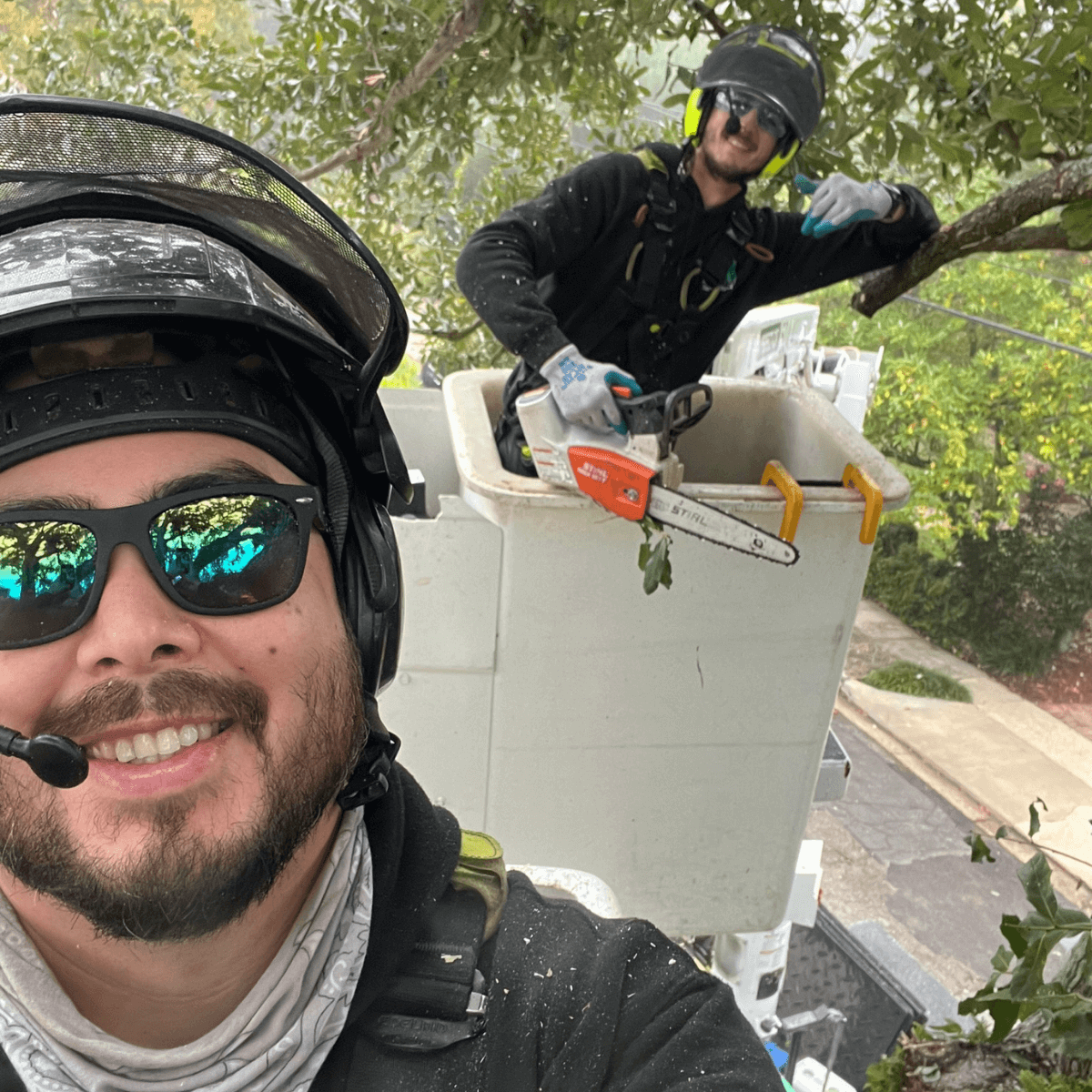
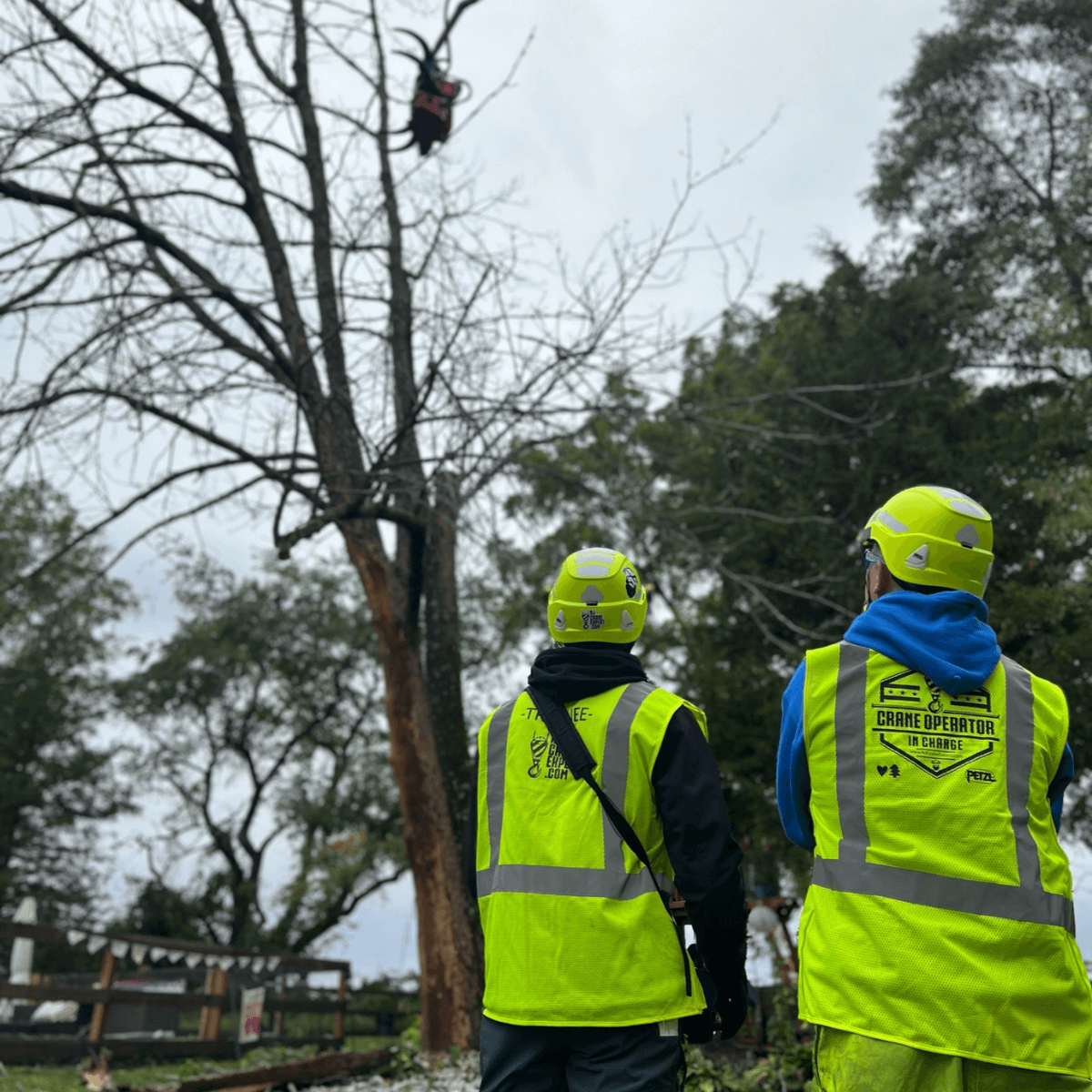

Trees do a lot of quiet work in Metairie. They shade roofs through long, hot summers, soften the look of streets and driveways, and give older neighborhoods some of their character. But when a tree dies, starts to decline, or becomes structurally unstable, that same asset can turn into a serious liability. In this part of Louisiana, where heavy rain, saturated ground, high humidity, termites, fungal decay, and storm winds all play a role, hazardous trees are not rare. They are part of routine property maintenance.
That is where professional tree removal in Metairie becomes less about aesthetics and more about risk management. A compromised oak hanging over a bedroom, a rotting pine leaning toward a fence line, or a split limb above a parked car cannot be treated as a minor yard issue. Waiting often raises the cost, not just because the tree may deteriorate further, but because the chance of collateral damage climbs with every storm front.
The hard part for many property owners is deciding when a tree can be saved and when removal is the responsible choice. There is no single rule that fits every species, lot size, or defect. Real judgment comes from reading the signs in the tree itself, the surrounding site, and the pattern of decline over time.
When a tree crosses the line from problem to hazard
A healthy tree can tolerate small wounds, occasional deadwood, and seasonal stress. Trees are resilient by design. The concern starts when defects combine. One large cavity may not mean immediate failure, but a cavity plus fungal fruiting bodies at the base plus visible lean after heavy rain is a different situation. Likewise, a tree with sparse foliage might recover if the stress was temporary, but if the bark is sloughing off, the upper crown is dead, and roots were damaged during recent construction, the outlook changes.
In Metairie, trees often decline gradually and then fail suddenly. That surprises homeowners who assume danger always looks dramatic. Sometimes it does. A trunk split, a hanging limb, or roots lifting on one side are obvious warning signs. More often, the early clues are subtle. The canopy thins. Leaves come in smaller than usual. Mushrooms show up near the root flare. Ant activity increases where wood has softened. After a windy day, you find fresh twigs and bark strips that should not be dropping in that volume.
One case that comes up often is the large backyard tree that “has looked rough for years.” People get used to it. Because it did not fall last hurricane season, they assume it is stable enough. Then a summer thunderstorm hits, the ground is already wet, and the tree fails across a shed, fence, or roof. Experience teaches a tough lesson here: trees do not need a named storm to come down. Plenty of failures happen in ordinary weather because the structural weakness was already there.
Dead trees rarely get safer with time
A dead tree does not just stop growing. Its wood changes. Moisture patterns shift, decay fungi move in, insects exploit weakened tissue, and the strength of limbs and attachment points deteriorates. Depending on species, location, and how long the tree has been dead, that degradation can happen faster than owners expect.
Standing dead trees can be especially deceptive. From a distance, the trunk still looks solid. Up close, sections may be hollow, brittle, or cracked internally. Climbers and crews treat these removals differently because the tree itself cannot always be trusted to hold rigging, weight, or movement the way a living tree would. That matters for safety and for cost. A dead tree that could have been removed more simply six months earlier may now require specialized equipment, piecemeal dismantling, or crane assistance.
If the dead tree stands in an open rear corner of a large lot and cannot strike anything, there may be a little planning time. If it is near a house, utility lines, a shared fence, or a public sidewalk, delay becomes harder to justify. In dense neighborhoods, there is not much margin for error.
Disease changes the conversation
Diseased trees are not all in the same category. Some infections are manageable. Others affect the tree’s vascular system, root plate, or structural wood in ways that make failure more likely. The key distinction is between a tree that is stressed but recoverable and a tree whose decline has moved too far to reverse safely.
In humid Gulf Coast conditions, decay organisms thrive. Basal rot and root decay are especially concerning because they attack the parts of the tree that matter most for stability. A tree can still leaf out and look reasonably green while its root system is losing integrity underground. That mismatch between appearance and actual holding strength is one reason disease-related removals need an experienced eye.
You also have to look at site history. If the grade around a tree changed, trenching cut through roots, fill dirt smothered the flare, or runoff keeps the base wet, the disease may be part of a larger stress picture. Treatment is less likely to succeed if the underlying site conditions remain poor. At that point, preserving the tree can become a costly holding pattern rather than a realistic solution.
There are emotional factors too. People become attached to mature shade trees, especially those planted by family or tied to the character of a home. A responsible arborist or tree service professional should not jump straight to removal if pruning, soil work, pest management, or monitoring could reasonably help. At the same time, sentiment should not override structural reality. When a diseased tree has become dangerous, removing it is often the choice that protects the rest of the landscape and the people living under it.
Storm damage and delayed failures in Metairie
Metairie properties live with weather stress that compounds over time. Hurricanes get the headlines, but repeated exposure to gusty thunderstorms, prolonged wet periods, and occasional drought stress can weaken trees in less obvious ways. A tree that lost a major limb last year may have hidden cracks at the remaining attachment points. A root system that sat in saturated soil through one season may never fully recover. Salt exposure in some areas, compacted urban soils, and confined planting strips only add pressure.
One of the more difficult calls comes after a storm when a tree is damaged but still standing. Homeowners often ask whether it can be “cleaned up” instead of removed. The answer depends on what failed. Broken outer limbs are one thing. A split leader over the main trunk, torn bark extending deep into a union, or a fresh lean with soil heaving at the base is something else entirely.
A practical way to think about it is this: storm pruning can restore form and reduce weight, but it cannot reliably reverse major structural failure. If the tree’s framework is compromised where strength matters most, removal is often the safer and more economical path.
Warning signs that deserve prompt attention
Some red flags justify getting a professional assessment sooner rather than later. Property owners do not need to diagnose the exact defect, but they should recognize when the risk has moved past casual observation.
- A new or worsening lean, especially after rain
- Large dead limbs over the roof, driveway, or neighboring property
- Mushrooms or conks growing from the trunk base or exposed roots
- Deep cracks, splitting trunks, or bark separating from major limbs
- Soil lifting, root exposure, or a hollow sound around the base
None of those signs guarantees immediate collapse, but each points to conditions that deserve informed inspection. What matters is the combination of defects, the size of the tree, and what sits in the strike zone.
Why tree removal is rarely a DIY job in established neighborhoods
Small ornamental trees and brush are one thing. Large tree removal in Metairie is another matter entirely. Between fences, tight access, overhead lines, patios, pools, and nearby homes, many removals require controlled dismantling piece by piece. The work is technical, physical, and unforgiving of bad judgment.
Even a modest limb can weigh hundreds of pounds once cut free. Wood does not always fall where an amateur expects. Limbs can swing, barber-chair, bounce, or roll. Rotted trunks can fail unpredictably under saw pressure. If rigging is used incorrectly, the force on anchors and tie-in points can exceed what the tree or equipment can safely handle. The risk is not limited to the person cutting. Family members, neighbors, roofs, windows, vehicles, and utility infrastructure are all in play.
There is also the disposal question. Removing a tree is only part of the job. Hauling brush, processing logs, grinding or leaving the stump, cleaning debris from beds and turf, and preventing damage to irrigation or hardscape all factor into the actual work performed. On many residential jobs, cleanup quality tells you a lot about the professionalism of the crew.
What a professional removal process usually looks like
Good tree removal is planned before the first cut. The crew evaluates species, decay, lean, targets, access, and equipment options. They decide whether the tree can be felled whole, sectioned down, rigged away from structures, or lifted by crane in pieces. They also consider ground conditions. A backyard that is firm in one season may not support heavy equipment after extended rain.
The removal itself often moves slower than homeowners expect, and that is not a bad sign. Careful dismantling takes time. On a large oak overhanging a house, a crew may spend most of the day setting lines, removing brushy outer limbs, reducing weight methodically, and lowering sections into a safe landing zone. Speed is useful only when it does not compromise control.
Stump treatment is another point worth discussing up front. Some owners want the stump ground below grade so the area can be replanted or sodded. Others leave it temporarily to avoid additional cost or to preserve root stability in a shared space near a fence until later work is scheduled. There is no universal answer, but there should be a clear scope so expectations match the final result.
Cost factors that actually move the number
People often ask for a simple price range, but tree removal cost depends on the details more than the height alone. A smaller tree wedged between structures can cost more than a taller tree in an open front yard. Access is often the hidden variable. If a crew cannot get equipment into the work zone and must hand-carry brush and lower every piece, labor climbs quickly.
These are the factors that usually have the biggest effect on price:
- Tree size, species, and structural condition
- Proximity to houses, fences, power lines, and other targets
- Ease of access for crews, trucks, and specialized equipment
- Whether rigging, crane work, or traffic control is needed
- Debris removal, log hauling, and stump grinding options
Dead and decayed trees can cost more, not less, because they may require extra caution and different methods. Emergency removals after storms also tend to run higher due to urgency, hazardous conditions, and scheduling pressure.
The permitting and utility side of the job
Not every tree removal involves permits, but homeowners should not assume all work is purely a private matter. Requirements can vary based on local rules, tree location, and whether utility lines are involved. Trees growing near service drops, distribution lines, or public rights-of-way create additional layers of coordination.
This is one area where experienced local contractors earn their keep. They usually know when utility notification is necessary, when a city or parish requirement might apply, and when adjacent property concerns need to be handled carefully. That familiarity can prevent expensive misunderstandings.
A common point of confusion involves trees touching power lines. Homeowners should not try to prune or remove those trees on their own. Utility-related tree work has its own safety protocols. If lines are involved, the right first step is often a call, not a chainsaw.
Saving the trees worth saving
An article about tree removal should still acknowledge the other side of the equation. Not every troubled tree needs to come down. In fact, one of the best indicators of a reputable company is a willingness to preserve a tree when preservation makes sense.
Sometimes a large limb can be reduced and balanced rather than removing the whole tree. Sometimes cabling or bracing can buy time for a valuable specimen with a known weakness, though those systems are not magic and need periodic inspection. Sometimes the real fix is soil decompaction, mulching, improved drainage, root collar excavation, or pest treatment. A tree in early decline may respond well if the stressor is identified and addressed.
The catch is that preservation has to be realistic. If the trunk is extensively decayed, the root plate is unstable, or the target is high-value and close, heroic efforts to save the tree can become a gamble with poor odds. Good advice is not the same aperfectcuttree.com tree removal metairie as comforting advice. The right recommendation is the one that matches the biology, structure, and site risk.
Choosing a company for tree removal Metairie homeowners can trust
When people shop for tree work, price understandably gets attention. But the lowest bid can be the most expensive choice if it leads to property damage, incomplete cleanup, or unsafe practices. A professional operation should be able to explain how the removal will be done, what equipment will be used, what happens to debris, and whether stump grinding is included or separate.
It also helps to notice how a company talks about the tree. Do they identify defects clearly? Do they explain why removal is recommended, or do they default to cutting everything? Do they ask about your concerns, such as roof clearance, fence protection, lawn impact, or access through a narrow gate? Those details reflect experience more than marketing does.
For tree removal Metairie residents often need, local familiarity matters. Crews that work in the area understand common species, soil behavior after heavy rain, storm patterns, and the practical realities of older subdivisions with tight lot lines. That kind of context improves judgment on both safety and logistics.
After the tree is gone
Removal solves one problem, but it creates a new decision: what should replace the lost canopy, if anything? In some yards, the answer is another tree planted in a better location with enough rooting space and proper species selection. In others, especially where a previous tree outgrew the site, the smarter move is a smaller ornamental or no replacement in the same spot.
If you do replant, match the species to the site honestly. Consider mature size, clearance from the house, exposure to wind, drainage, and maintenance tolerance. A lot of hazardous removals start decades earlier with a poor siting choice that seemed harmless when the tree was young.
There is also the emotional side. Losing a mature tree changes the feel of a property overnight. The yard looks brighter, flatter, and sometimes oddly exposed. That is normal. Over time, most owners come to appreciate the trade they made, especially when they remember how often they worried during storms.
Dead, diseased, and dangerous trees rarely improve through neglect. They become more expensive, more unpredictable, and more likely to fail when conditions turn rough. Acting early does not always mean acting fast, but it does mean taking the warning signs seriously and getting informed guidance before a manageable issue becomes a damaged roof, a crushed fence, tree removal metairie or an emergency call in bad weather. For homeowners facing that decision, professional tree removal in Metairie is not just a cleanup service. It is a practical safeguard for the property, the landscape, and everyone who lives around it.
A Perfect Cut Tree Service
4725 Shores Dr, Metairie, LA 70006
+1 504-732-0779
FAQ About tree removal metairie
What is the average cost of tree removal in my area?
There is no single price that fits every tree. Size, condition, access, nearby structures, equipment, debris hauling and stump work affect the estimate. Request a written, site-specific quote that identifies what is included.
Who will remove trees for free?
Free removal is not generally available for ordinary private-property tree work. Utilities or public agencies may handle trees within their responsibilities. Confirm eligibility directly and do not assume that an offer or assistance program covers your tree.
Can I just cut down a tree in my yard?
Check ownership, location and local requirements first. Jefferson Parish requires a permit for removal of qualifying vegetation in the public right-of-way, and additional protections may apply in designated areas. Ask the parish about your property and have a qualified tree professional assess the work.